Susanna Berger
16th- and 17th-Century European Art, Architecture, and Intellectual History
Ph.D., University of Cambridge, 2012
Biography
Susanna Berger is a scholar of sixteenth- and seventeenth-century art and architecture in Europe, whose writings focus on the interrelations between visual culture and intellectual history. After completing her B.A. in Philosophy and Art History at Columbia University and her Ph.D. in the History of Art at the University of Cambridge, she was awarded a Postdoctoral Fellowship in the Society of Fellows at Princeton University. She joined the Columbia faculty in 2025 after teaching art history and philosophy at the University of Southern California.
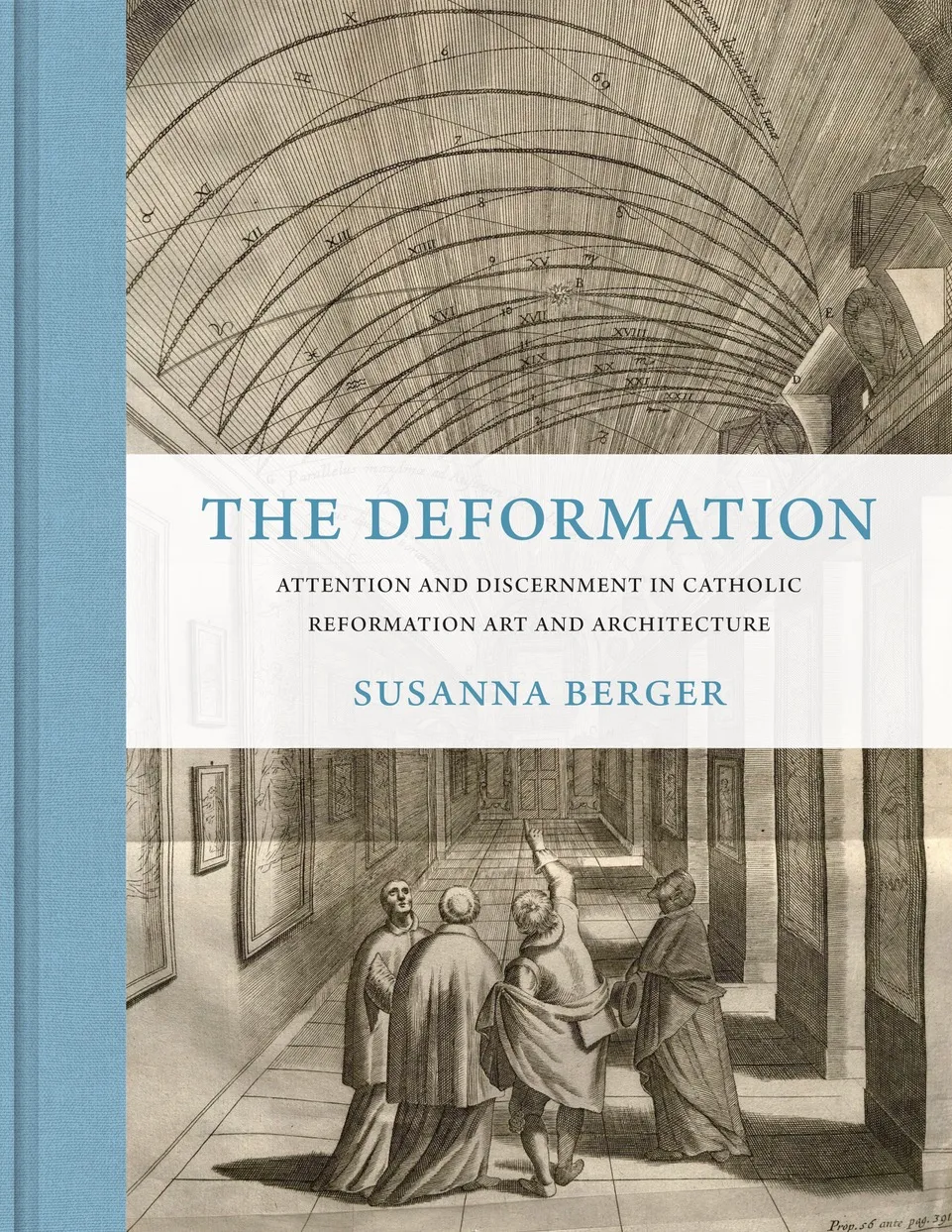
Her most recent book, The Deformation: Attention and Discernment in Catholic Reformation Art and Architecture (Princeton University Press, 2025), is about Catholic Reformation engagements with visual distortions or “deformations”—works of art and architecture that were designed to be visually incomprehensible, at least initially. It asks why Catholic Reformation patrons, scholars, artists, architects, artisans, and observers were so drawn to visual deformations, how they used deformations, and what those uses teach us. During the periods that German Lutheran historians would later label the “Reformation” and the “Counter Reformation,” deformations became prevalent across Europe. From Palazzo Spada's prospettiva to Minim and Jesuit anamorphoses in convent corridors, The Deformation explores what this phenomenon reveals about contemporary religious belief, optics, and the natural sciences, as well as wider questions about attention and discernment.
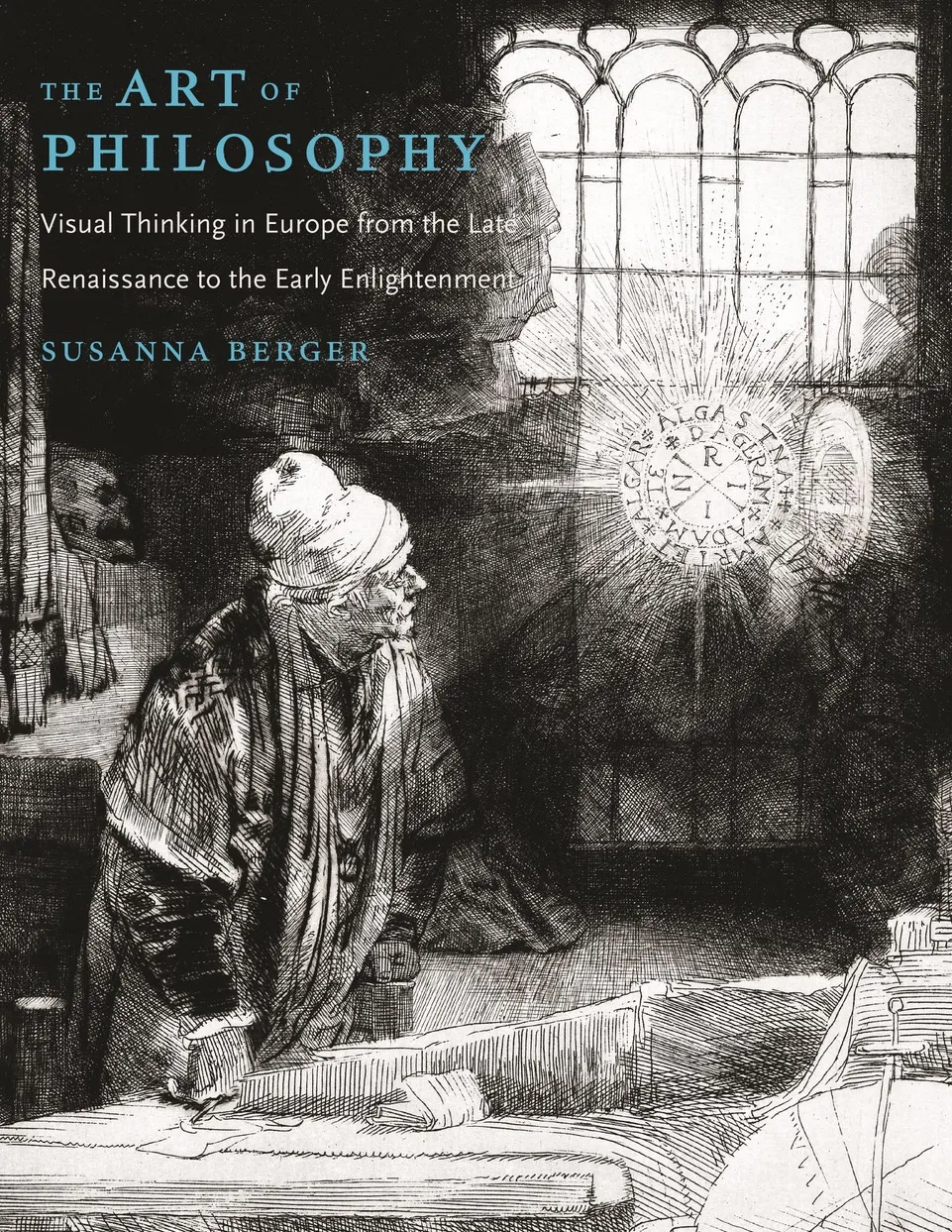
Her first book, The Art of Philosophy: Visual Thinking in Europe from the Late Renaissance to the Early Enlightenment (Princeton University Press, 2017), is a transnational study of the relations between images and philosophical knowledge in early modern France, Italy, England, Germany, and the Netherlands. The book was a finalist for the College Art Association’s Charles Rufus Morey Book Award and was awarded the Bainton Prize from the Sixteenth Century Society and Conference for the best book in English in the field of early modern art and music history. It was also Runner-up for the biennial book prize from the Society of Renaissance Studies and for the “The Bridge” Nonfiction Book Award from the House of Literature of Rome, US Embassy of Rome, and American Initiative for Italian Culture. A Chinese translation is forthcoming in 2025.
Her articles are published in The Art Bulletin, The Journal of the Warburg and Courtauld Institutes, Art History, Intellectual History Review, Word & Image, Early Science and Medicine, Annals of Science, Global Intellectual History, British Art Journal, and Gutenberg-Jahrbuch. Berger is also co-editor with Daniel Garber of the volume Teaching Philosophy in Early Modern Europe: Text and Image (2021), which explores the pedagogical contexts in which philosophical knowledge was made in seventeenth-century Europe and disputes over science were played out.
Berger’s research has been supported by numerous fellowships, notably a John Simon Guggenheim Foundation Fellowship, a Humboldt Eighteen-Month Fellowship for Experienced Researchers, an ACLS Fellowship, a Robert Lehman Fellowship at Villa I Tatti, the Harvard University Center for Italian Renaissance Studies, the Inaugural Panofsky-Fellowship at the Zentralinstitut für Kunstgeschichte in Munich, a Frances A. Yates Research Fellowship at the Warburg Institute, and a Junior Research Fellowship at St Anne’s College, University of Oxford. She is a Fellow of the Royal Historical Society.